Documented results from real Michigan claims

Every case here is a real vehicle, a real claim, and a real pair of numbers: what the insurer first offered, and what the claim settled at. The vehicles are photographed and the owners consented to publishing the figures.

Search for an auto appraiser and you'll get promises, percentages, and "typical results."Published settlement figures from named vehicles are close to non-existent in this industry — not because nobody has them, but because publishing them means having produced them.

1990 BMW 325i

Grand Rapids

Insurer offered
$10,800
Settled at
$20,286

What happened

A 1990 BMW 325i — a black E30 coupe — was damaged in a collision in the Grand Rapids area, and the owner’s insurer moved to settle it as a total loss. The offer was $10,800.

The E30 is a car the collector market has repriced. A valuation that treats one as an old sedan lands a long way from what it would actually sell for.

What the insurer’s valuation missed

The insurer’s number didn’t account for the car being a collector vehicle — it was priced like an ordinary used 1990 sedan rather than the appreciating E30 it had become.

How it was documented

Harold photographed the car and researched comparable sales for it as a collector E30.

Outcome

The claim settled at $20,286, against an opening offer of $10,800. Because it was a collision claim, the appraisal took about 3 to 4 working days to put together.
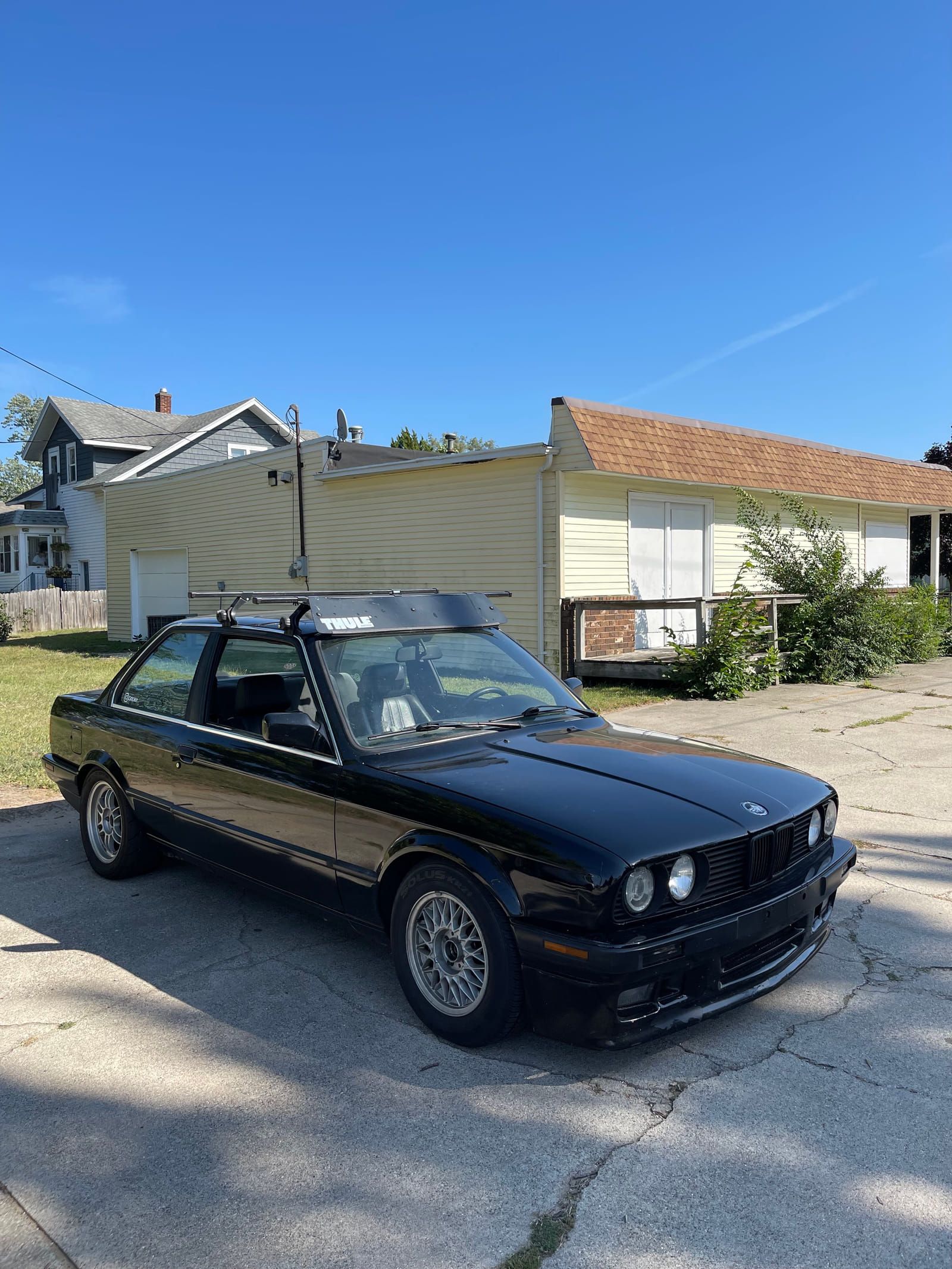
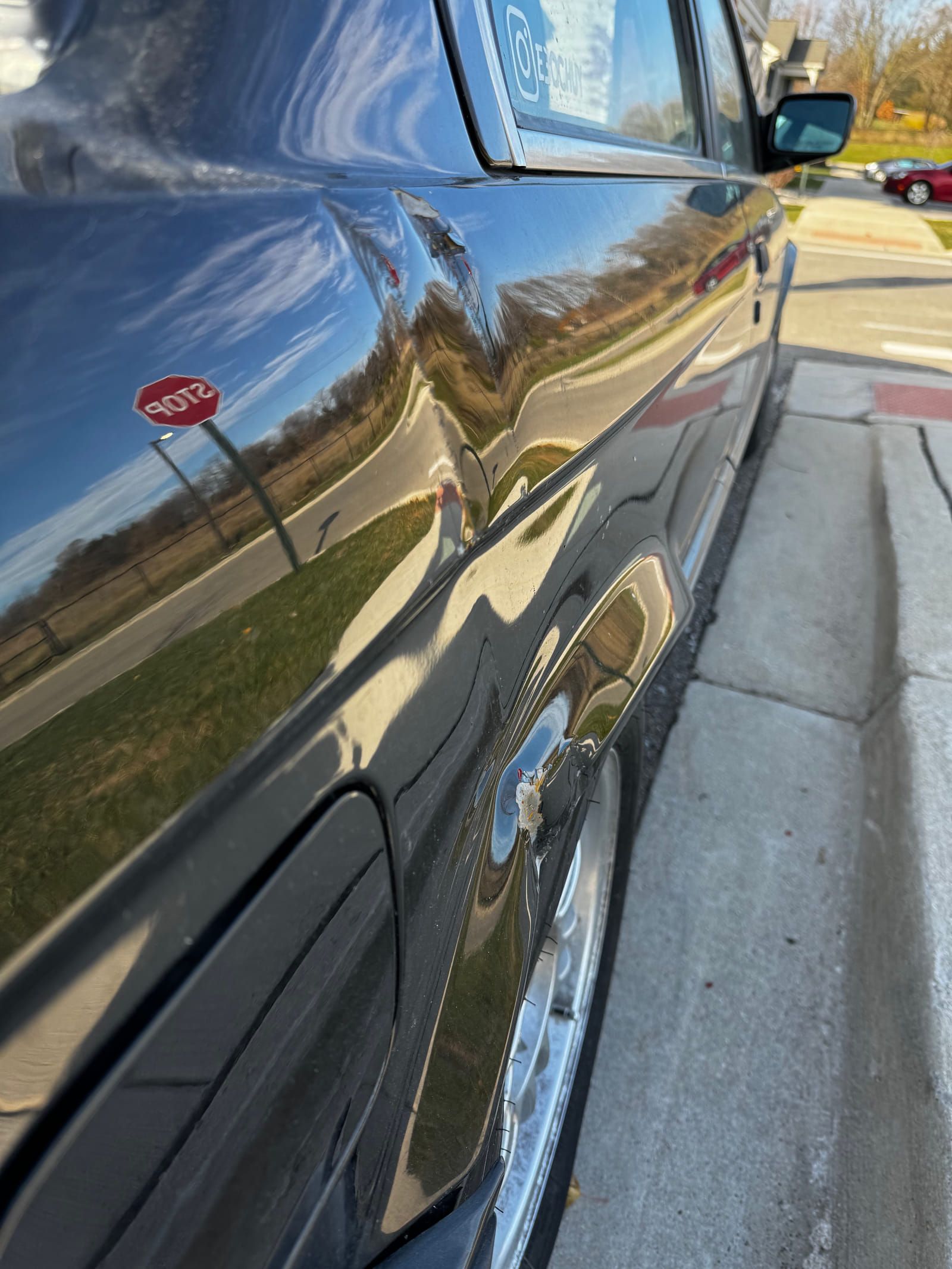
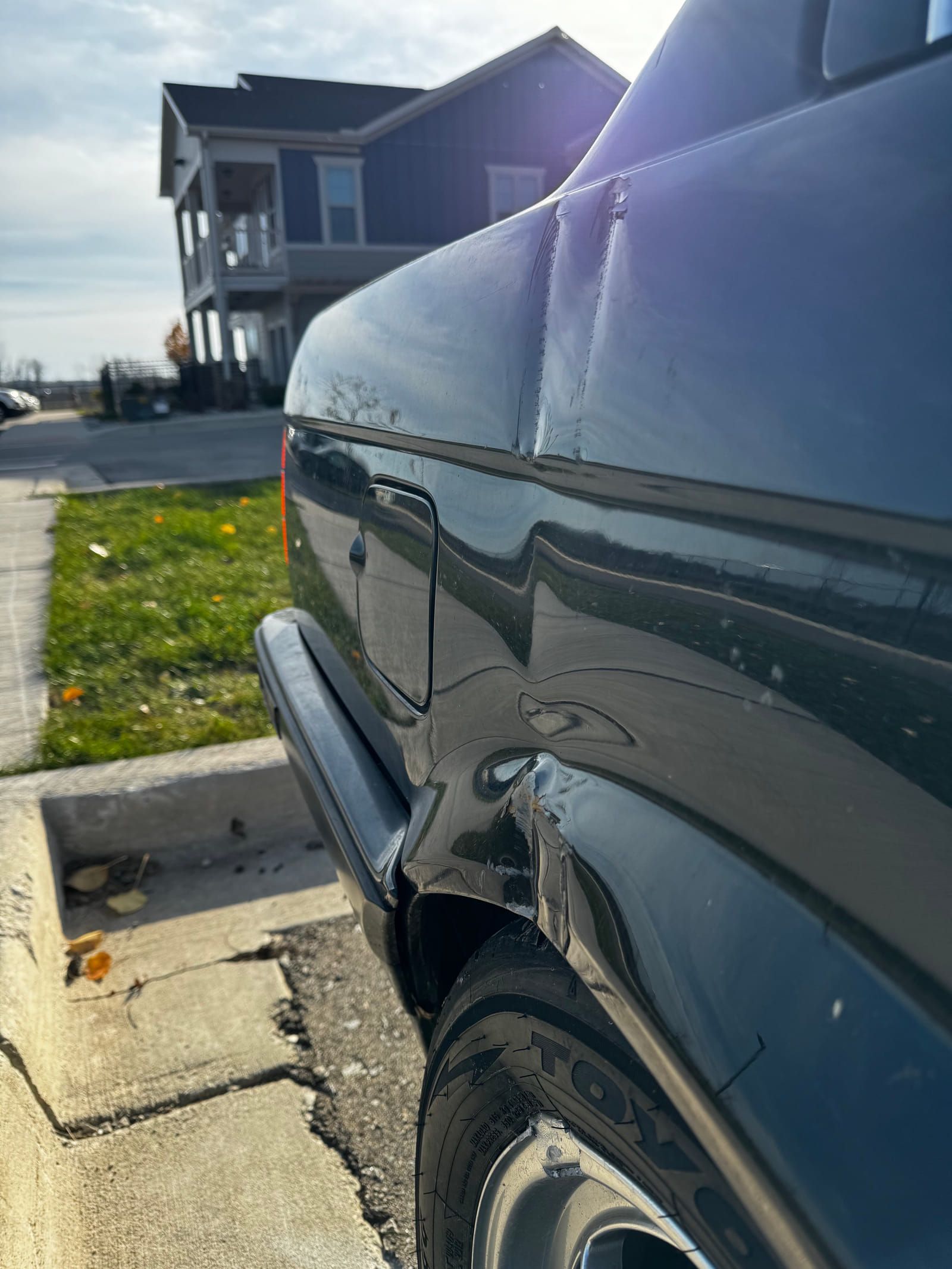
Black 1990 BMW 325i coupe with aftermarket wheels and a roof rack, parked on a drivewayClose view along the side of the black BMW 325i showing a dent above the rear wheel archRear quarter panel of the black BMW 325i showing a crease and damage above the wheel arch
Photographs of the 1990 BMW 325i taken during the appraisal.

2013 Audi Q5

Holland

Insurer offered
$2,300
Settled at
$8,860

What happened

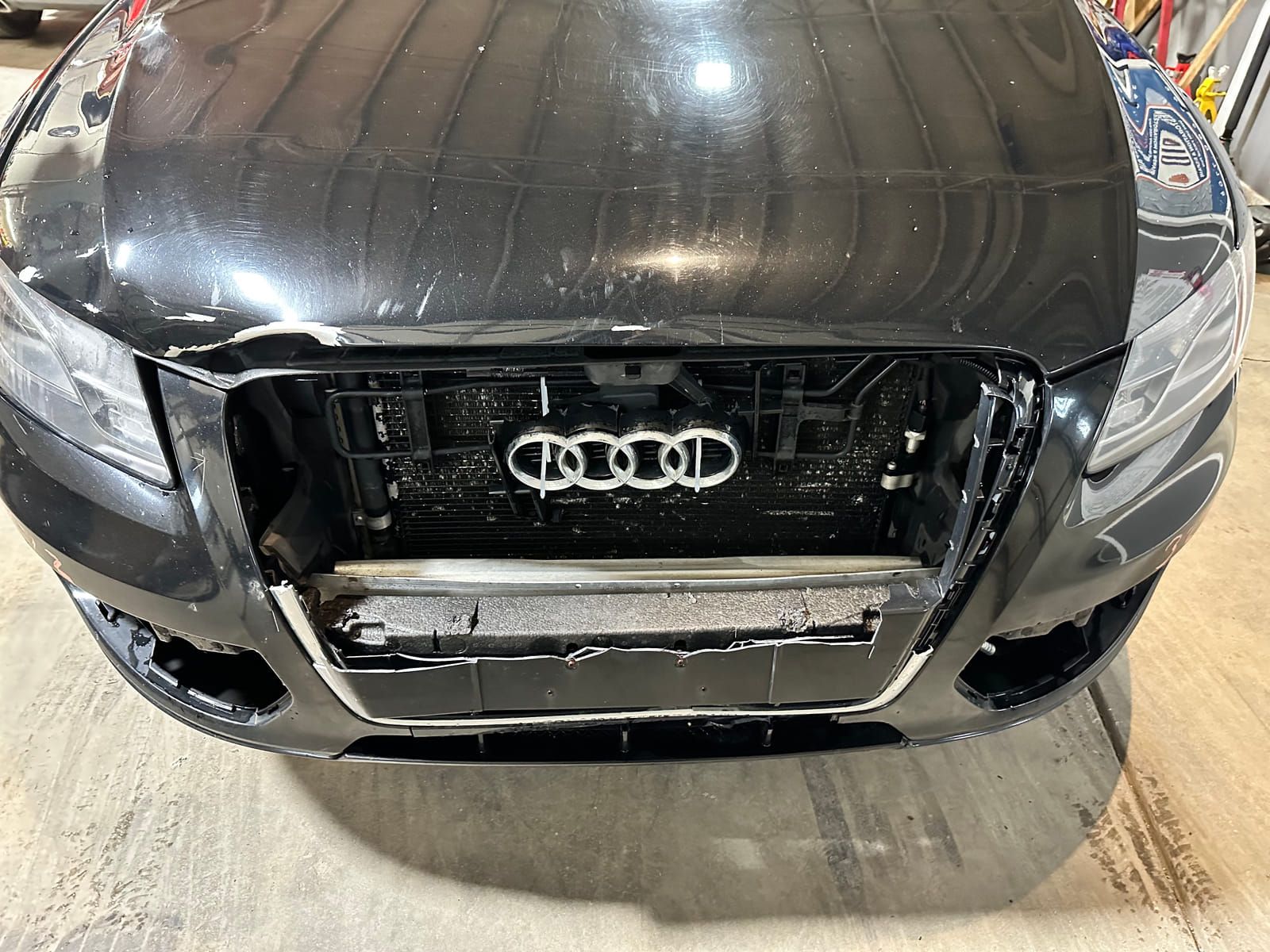
A 2013 Audi Q5 was hit by a deer in Holland, Michigan, taking front-end damage — bumper cover off, the cooling stack and front structure exposed. The insurer’s opening offer on the vehicle was $2,300.

What the insurer’s valuation missed

The car was a one-owner, dealer-maintained example with only 44,000 miles on it — mileage low enough that the insurer couldn’t find comparable listings to price against. The $2,300 offer reflected that gap in the data, not the car’s actual condition.

How it was documented

With no low-mileage comps to point to, Harold sourced the closest comparable with the same specification he could find — a 2013 Q5 at 75,000 miles — and negotiated the settlement to that number. A damage photograph from this job is on file.

Outcome

The claim settled at $8,860, against an opening offer of $2,300.

Front of a dark 2013 Audi Q5 with the bumper cover removed, showing damage to the front structure and cooling stack
Photographs of the 2013 Audi Q5 taken during the appraisal.

2003 Toyota Tundra

Insurer offered
$880
Settled at
$3,300

What happened

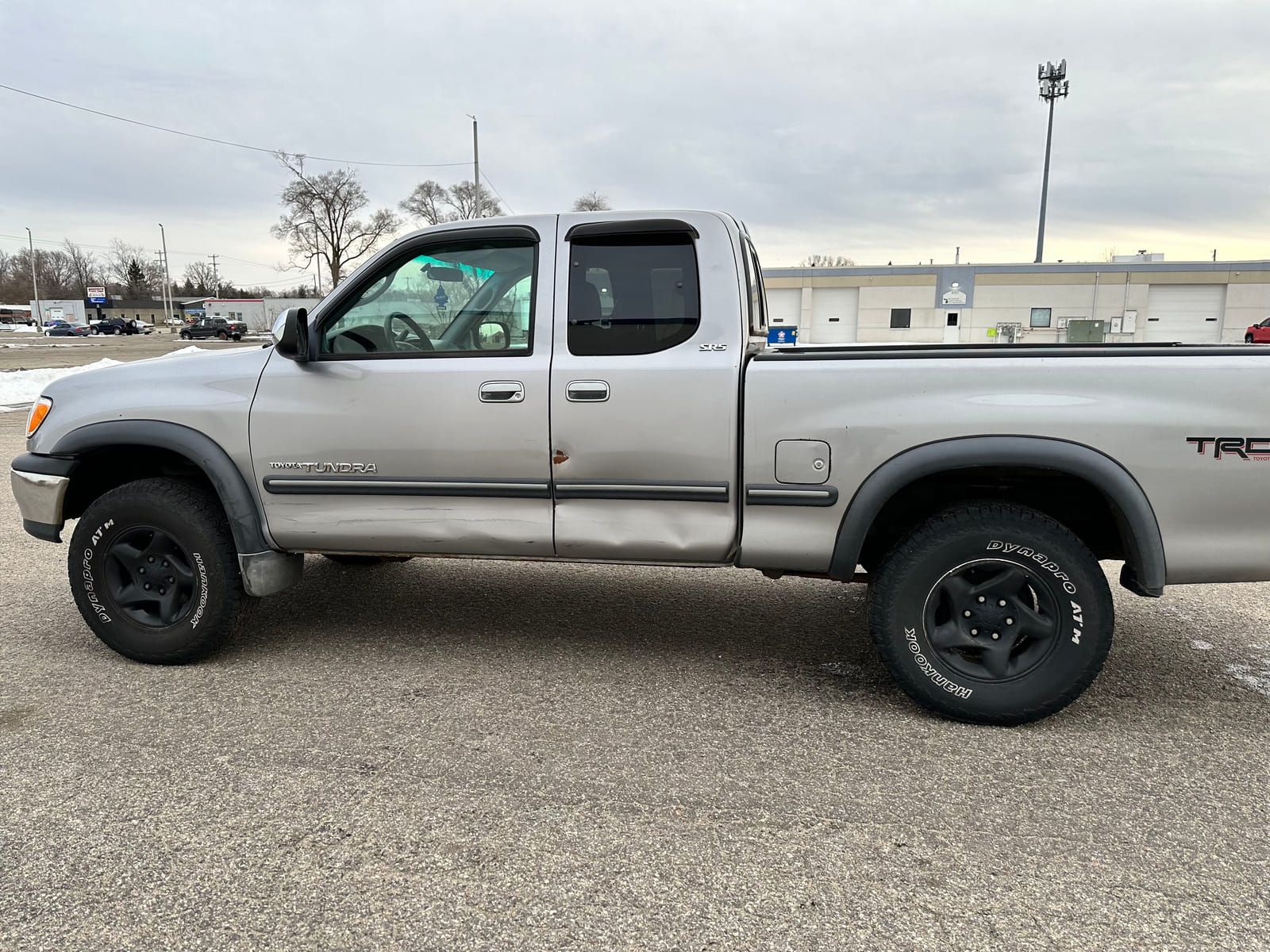
A 2003 Toyota Tundra — silver, extended cab, wearing SR5 and TRD badges. The insurer’s opening offer was $880.

At $880 the offer sits close enough to scrap value that most owners assume there’s nothing to argue about, sign, and move on.

It was a total loss from a collision in a construction zone — the truck struck a parked object.

What the insurer’s valuation missed

The $880 figure priced the truck like an ordinary used pickup headed for scrap, not accounting for how strongly older Toyota trucks hold value. The Tundra has a cult-like following among enthusiasts, which keeps real-world demand — and prices — well above what a generic depreciation number would suggest.

How it was documented

That same enthusiast following made the case easier to build: Harold found solid, reasonable comparable sales to support a real valuation. A photograph of the truck from this job is on file.

Outcome

The claim settled at $3,300, against an opening offer of $880. The process took about two weeks, start to finish.

Silver 2003 Toyota Tundra extended cab, driver's side, showing damage along the lower door and rocker
Photographs of the 2003 Toyota Tundra taken during the appraisal.

2014 Volkswagen Passat

Kentwood

Insurer offered
$3,975
Settled at
$12,400

What happened

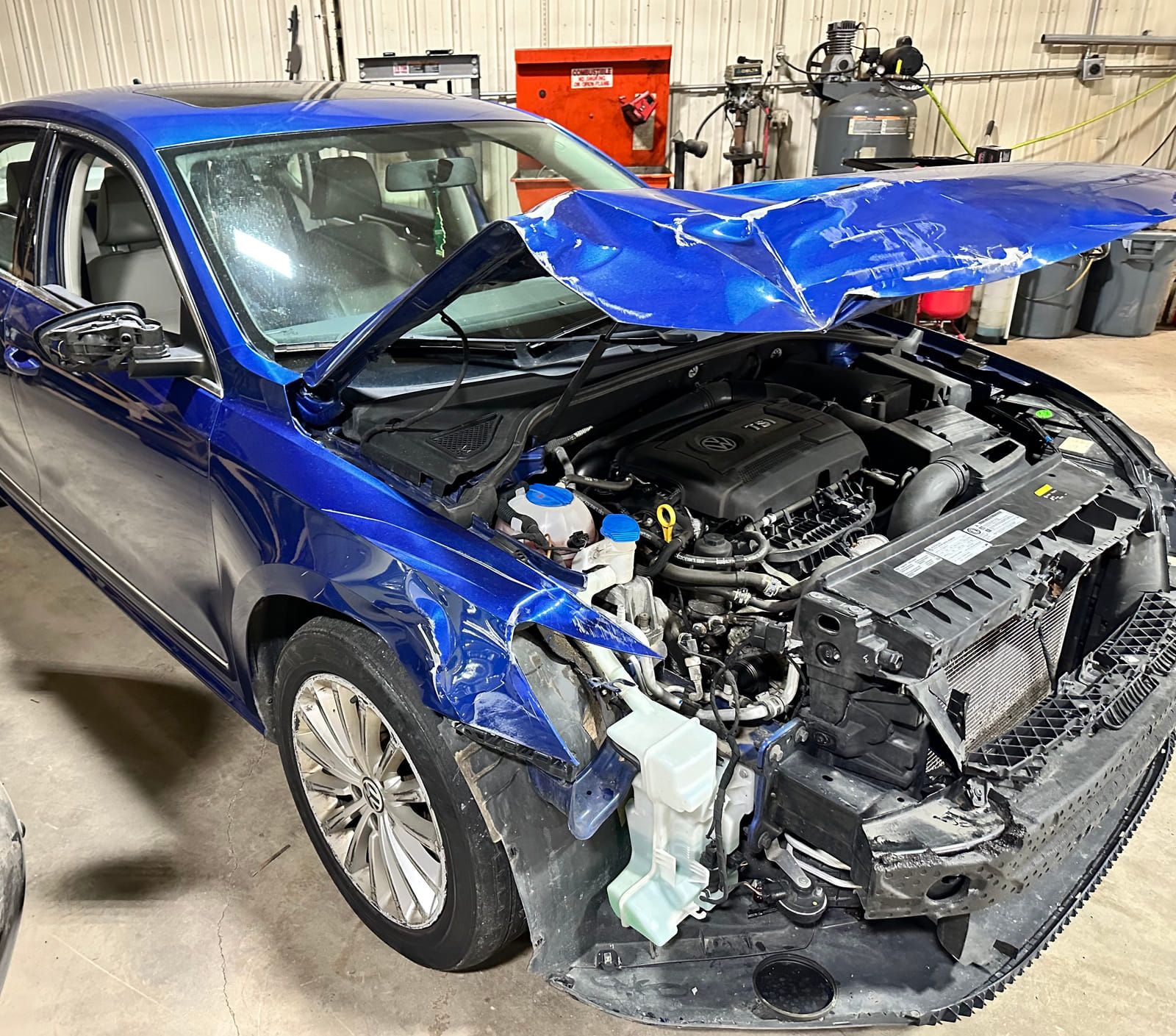
A 2014 Volkswagen Passat, blue, took heavy front-end damage — hood folded, front structure and cooling stack pushed back, headlamp assemblies out. The insurer’s opening offer was $3,975.

It was a standard collision claim in Kentwood, Michigan — and also a hit-and-run. The car had just had $4,500 in service work done, which is what pushed Harold to dig in and try to recoup some of that for the customer.

What the insurer’s valuation missed

That digging turned up the actual problem: the insurer’s comps were pulled from an entirely different model, not the Passat itself.

How it was documented

Harold caught the model mismatch in the insurer’s comps and rebuilt the valuation against comparables for the correct car. A damage photograph from this job is on file.

Outcome

The claim settled at $12,400, against an opening offer of $3,975 — a difference of $8,425 on a vehicle the carrier had already priced. The process took 7 days, start to finish.

Blue 2014 Volkswagen Passat in a workshop with heavy front-end damage, hood folded and headlamp assemblies removed
Photographs of the 2014 Volkswagen Passat taken during the appraisal.

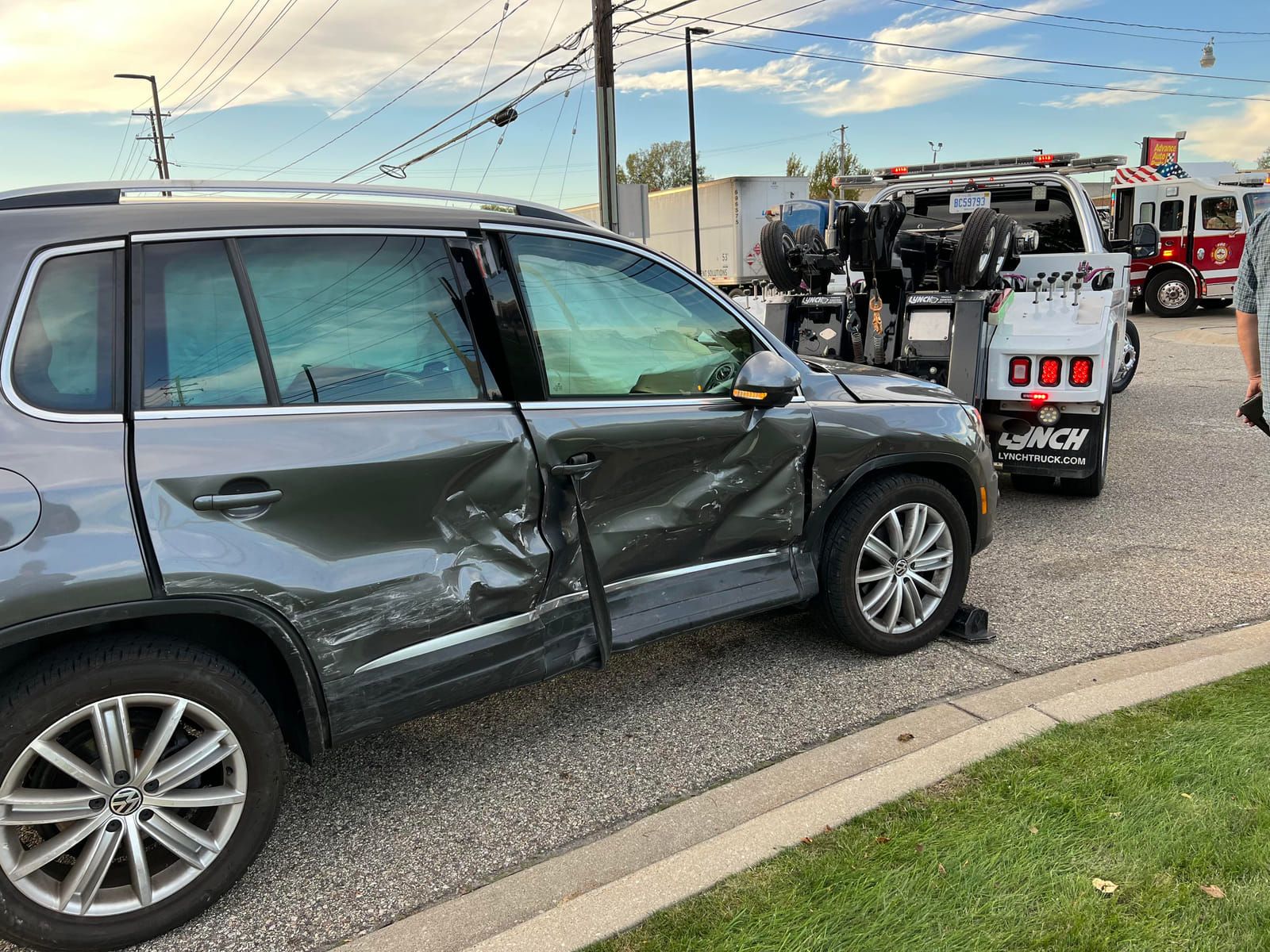
2015 Volkswagen Tiguan

Cascade

Insurer offered
$7,100
Settled at
$9,880

What happened

A 2015 Volkswagen Tiguan took side-impact damage — the driver’s side rear door caved in and the quarter panel and mirror were pushed back. The insurer’s opening offer was $7,100.

A drunk driver hit the Tiguan in Cascade, Michigan. The impact deployed the airbags and damaged the B-pillar, enough on its own to total the car.

What the insurer’s valuation missed

The $7,100 offer wasn’t enough to actually replace the car — the owner couldn’t find another Tiguan on the market anywhere near that price. The number didn’t reflect real replacement cost.

How it was documented

Harold researched the market and found seven suitable comparable listings, using them to argue for a settlement that would actually cover a replacement vehicle. A damage photograph from this job is on file.

Outcome

The claim settled at $9,880, against an opening offer of $7,100. The process took 5 days, start to finish.

Gray 2015 Volkswagen Tiguan on a flatbed tow truck, showing a crushed driver-side rear door and quarter panel
Photographs of the 2015 Volkswagen Tiguan taken during the appraisal.

2006 Chevy Colorado

Middleville

Insurer offered
$3,700
Settled at
$5,950

What happened

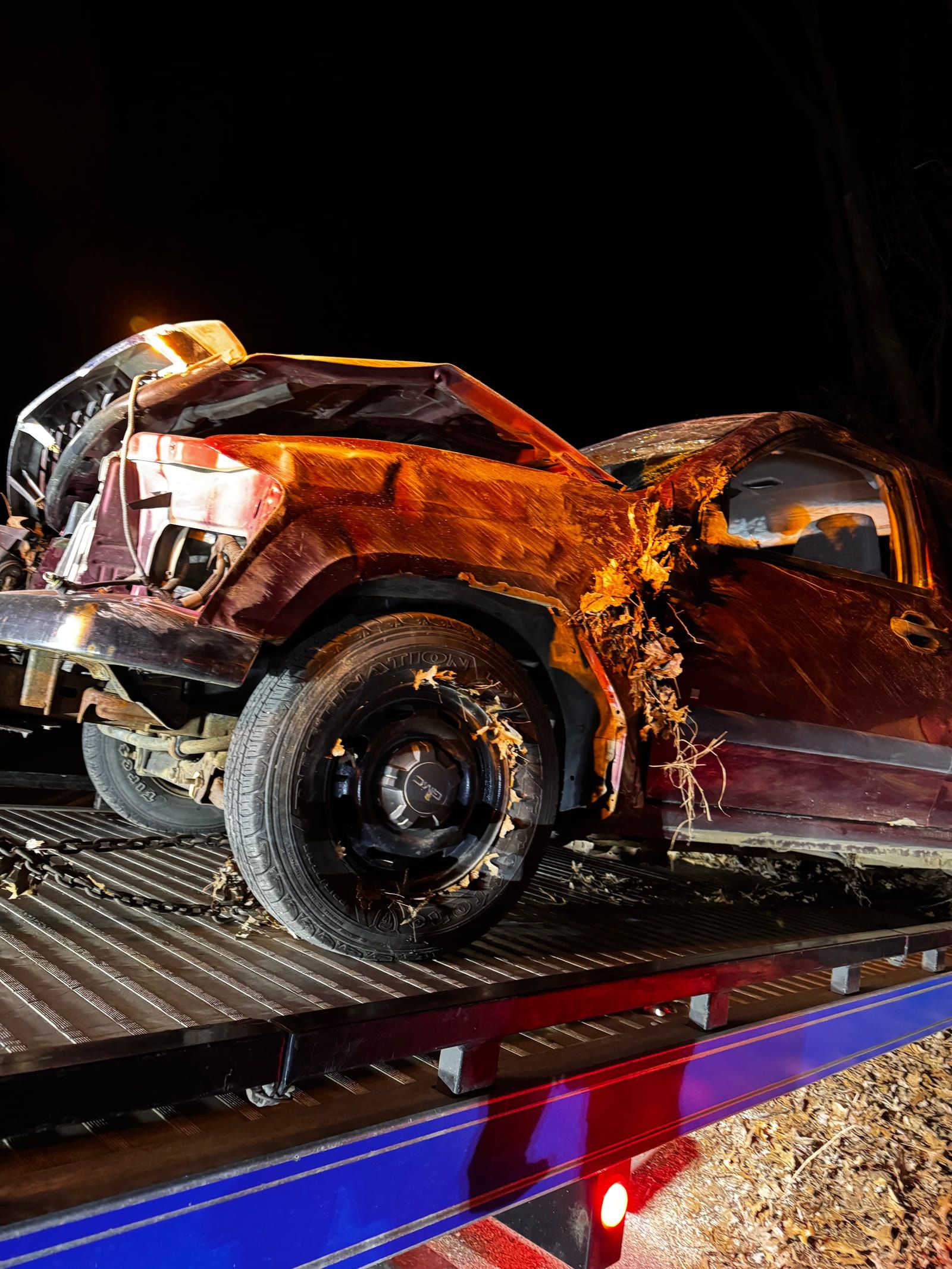
A 2006 Chevy Colorado was totaled in a rollover crash, with the body crushed and caved in along the side. The insurer’s opening offer was $3,700.

The driver swerved to avoid a deer in Middleville, Michigan, and rolled the truck. He walked away fine — the truck didn’t. Between the age, the mileage, and the rollover damage, the insurer called it a total loss.

What the insurer’s valuation missed

Michigan trucks rust. This one didn’t — it was a rust-free example brought up from the South, which puts it well ahead of a typical local truck in that condition. The insurer’s initial comps came in narrow, clustered in the $3,500 to $3,700 range, without accounting for that.

How it was documented

Harold kept digging past the insurer’s comp range and found several sales north of it, reflecting what a clean, rust-free Southern truck actually brings in this market, and used them to argue the settlement up. A damage photograph from this job is on file.

Outcome

The claim settled at $5,950, against an opening offer of $3,700.

Wrecked 2006 Chevy Colorado on a flatbed tow truck at night, the passenger side crushed and caved in from a rollover
Photographs of the 2006 Chevy Colorado taken during the appraisal.

1969 Chevrolet Camaro

What happened

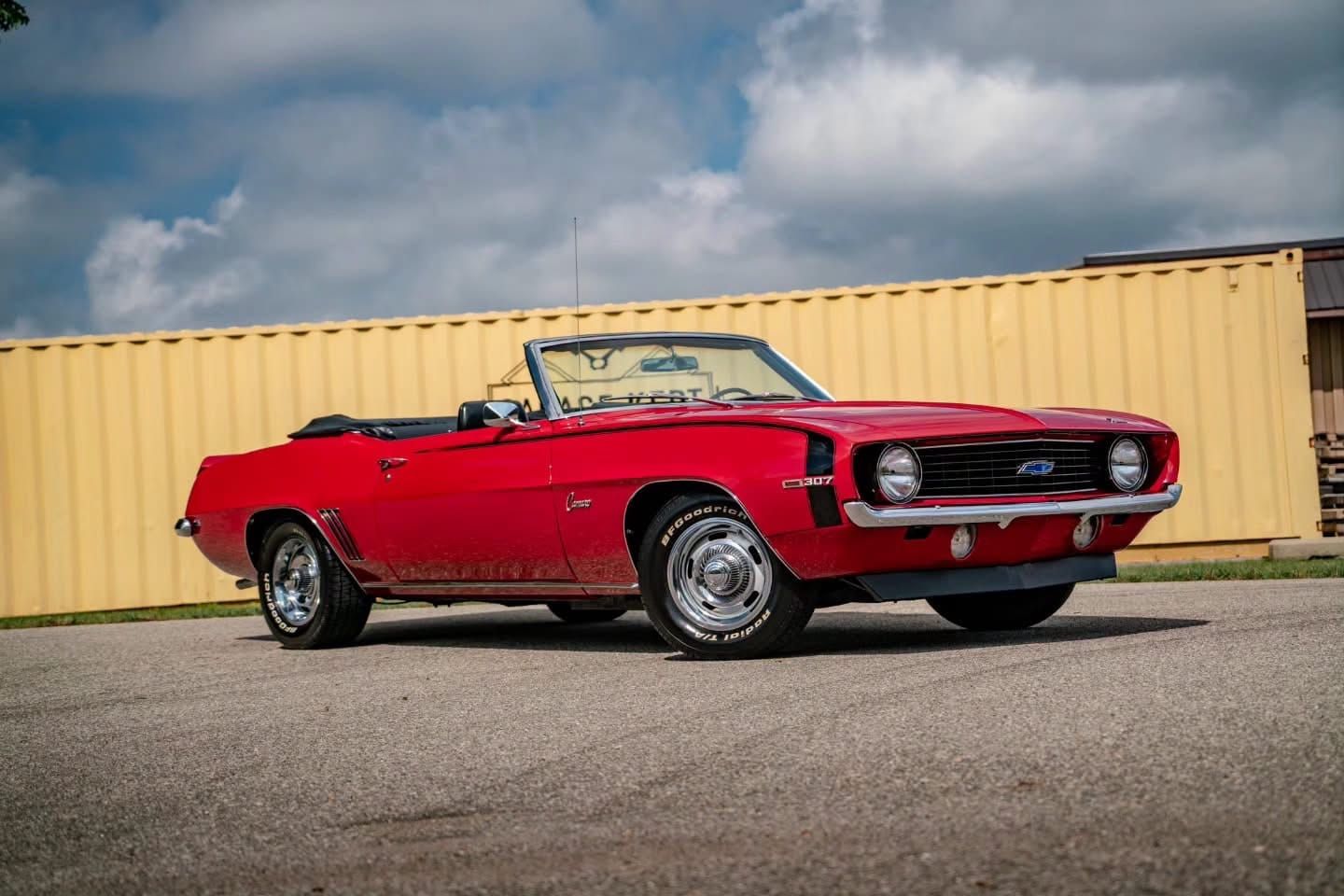
A customer found a 1969 Chevrolet Camaro for sale more than 500 miles away. The seller’s listing ran more than 150 photographs — a numbers-matching car in Garnet Red, with the “Hockey Stick” stripe package, the D80 spoiler option, and a factory air conditioning system updated to R134. The buyer still wanted someone to look at the car in person before buying it.

What the inspection found

Harold’s multipoint, in-depth inspection covered the whole car. It turned up a leaking transmission — a problem none of the listing’s 150-plus photographs showed.

How it was documented

Harold photographed the leak and wrote it into the inspection report, the same as every other finding. Then he and the customer got on a follow-up call to go through the results.

Outcome

The customer negotiated a better purchase price, backed by a documented, photographed defect instead of just a listing.

Red 1969 Chevrolet Camaro convertible with the top down, parked outside a tan metal building
Photographs of the 1969 Chevrolet Camaro taken during the appraisal.

What these do and don't mean

Every claim is different. An appraisal is evidence — a supported opinion of value an adjuster has to engage with — not an instruction the carrier must follow. Nobody can tell you in advance what yours will do.

What these show is narrower and more useful than a promise: on real Michigan claims, the distance between an automated valuation and a documented one has been worth a great deal to the owner. In every one, the appraisal that produced it was the same $350 report anyone can order.

Where the gap comes from isn't mysterious — comparables from the wrong market, the wrong trim, options never counted, condition graded by someone who never saw the car, mileage adjusted wrongly, prior work ignored. How that happens, and what an independent appraisal does about it.

Buying rather than claiming?

If you're looking at a car you're thinking about buying, the relevant work is a pre-purchase inspection. Every vehicle here was already damaged.

Where yours would start

Every case here began the same way: somebody holding an offer letter with a figure they didn't believe. If that's you, send the vehicle details, the VIN, and the number you've been given.

Request an appraisalCall (269) 680-7706

5723 Division Ave S, Grand Rapids, MI 49548